Internal medicine is the medical specialty concerned with the prevention, diagnosis, and non-surgical treatment of adult diseases. Our team delivers comprehensive care for both acute and ongoing problems, blending the newest, most researched aspects of medicine, providing many on-site services, and supplying patients with the needed tools to take a proactive approach in their wellness and disease prevention.
Our specific services provided include:
- On-site Laboratory testing (Blood, Urine, etc.)
- Pulmonary Function Test
- Sleep Study
- EKG
- Ambulatory Blood Pressure Monitoring
- Holter Monitor
- Continuous Blood Sugar Monitoring
- Ankle Brachial Index
- Annual Comprehensive Physical Examination
- DOT Physical
If you or an adult family member is looking for a physician for your comprehensive internal medicine needs, contact our office for an appointment.
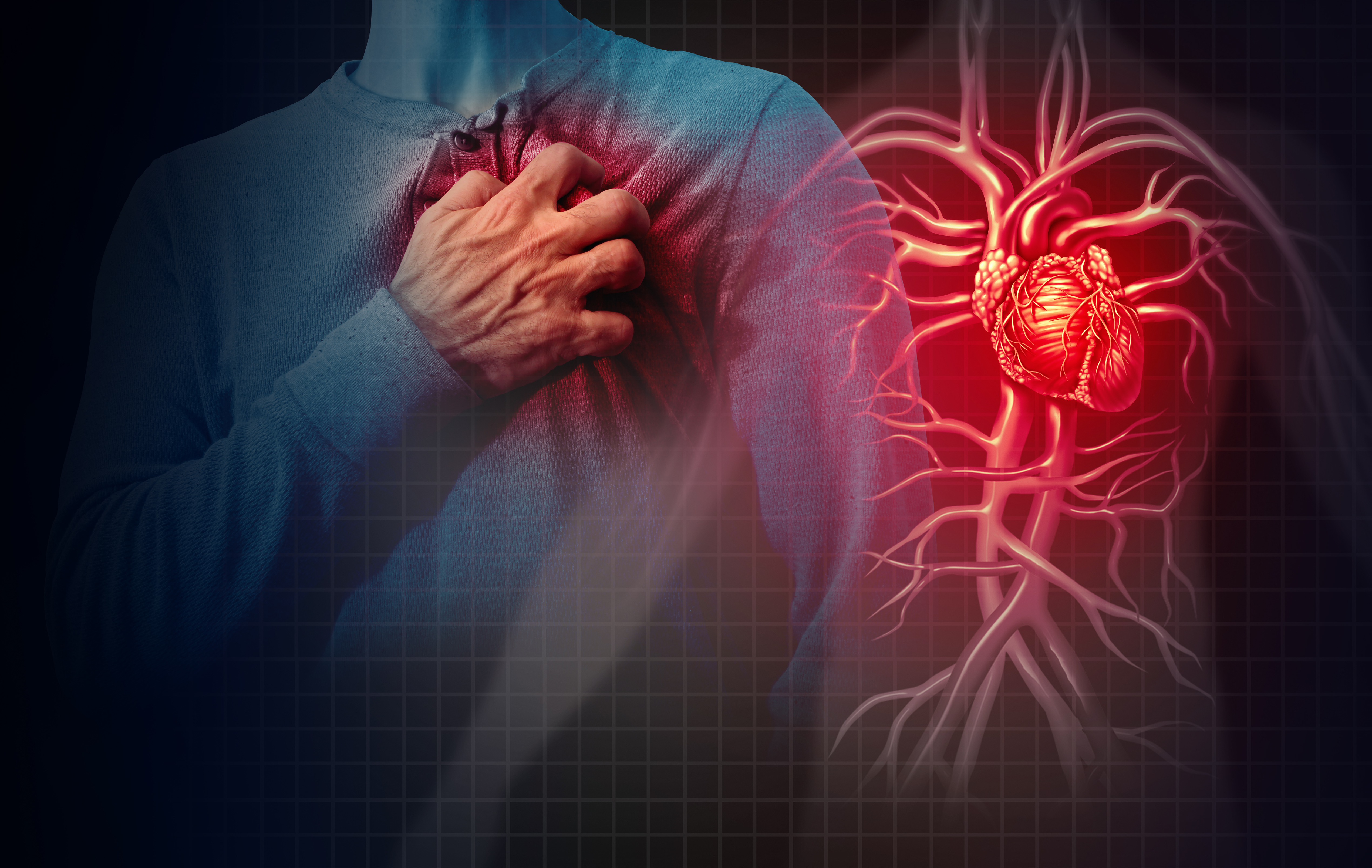
One person dies every 36 seconds in the United States from cardiovascular disease. About 659,000 people in the United States die from heart disease each year—that is 1 in every 4 deaths. Heart disease costs the United States about $363 billion each year from 2016 to 2017.
We can perform your EKG right in your exam room either during your annual wellness visit or as needed. An electrocardiogram (ECG or EKG) records the electrical signal from your heart to check for different heart conditions.
EKGs are quick, safe, and painless. With this test we can:
- Check the rhythm of your heart
- See if you have poor blood flow to your heart muscle
- Diagnose a heart attack or previous heart attack
- Check for abnormal findings such as a thickened heart muscle
- Detect if electrolyte abnormalities are present such as high potassium or high or low calcium
24-hour Holter monitor:
This device is used to place leads and record for a 24 hour period.
This service is available if you feel palpations or a sensation that the heart is racing, pounding, fluttering, or skipping a beat. Our helpful staff will help guide you how to use this device in the privacy of your home and throughout your day to record any of these events. We will then download the recordings and interpret the data.
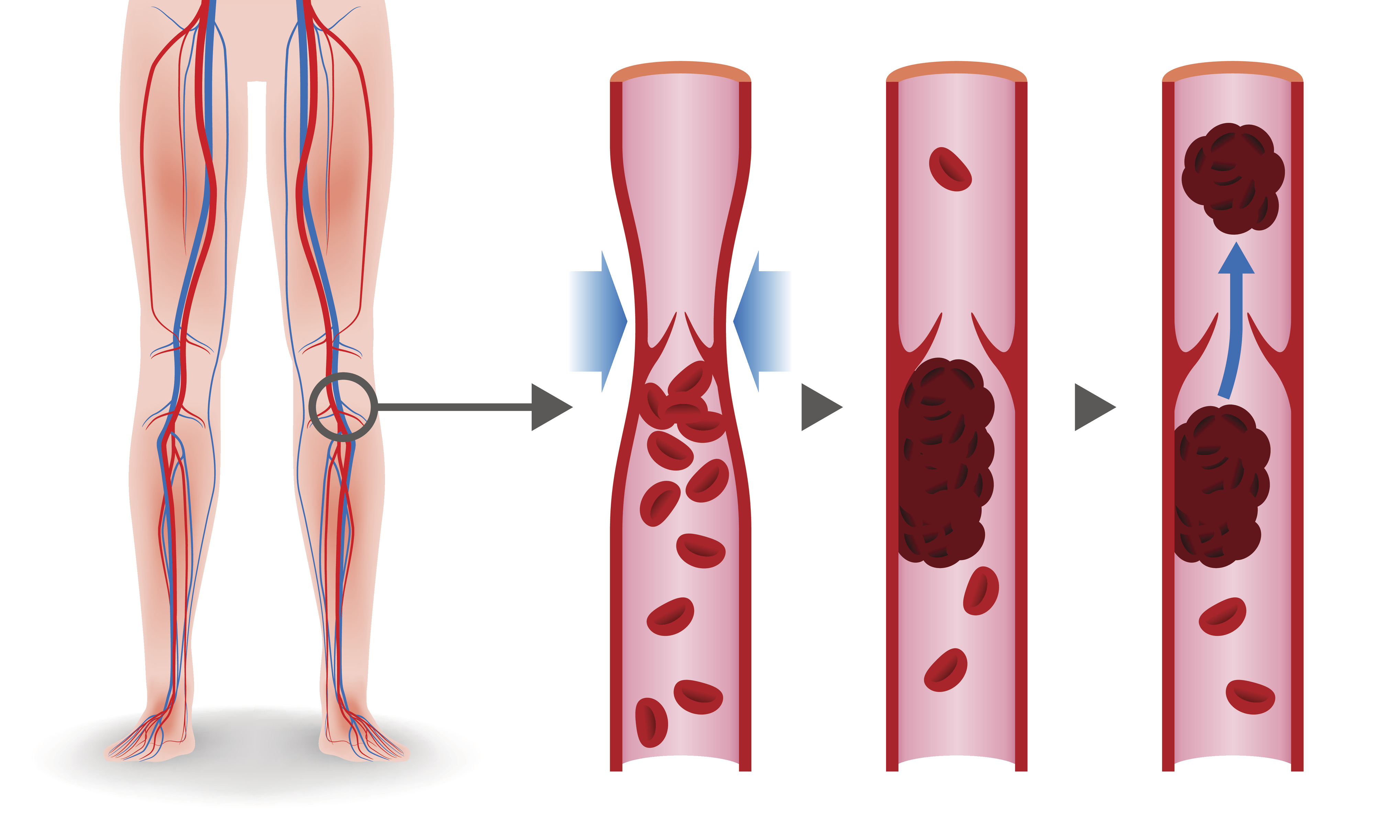
Lower extremity peripheral arterial disease (PAD) affects approximately 10% of the American population, with 30% to 40% of these patients presenting with Intermittent claudication is a tight, aching, or squeezing pain in the calf, foot, thigh, or buttock that occurs during exercise, such as walking up a steep hill or a flight of stairs
PAD often goes undiagnosed by healthcare professionals. People with peripheral arterial disease have a higher risk of coronary artery disease, heart attack or stroke. Left untreated, PAD can lead to gangrene and amputation.
The prevalence of PAD increases with age and the number of vascular risk factors like:
- High blood pressure
- Smoking
- Hardening of the arteries
- Diabetes
- High cholesterol
- Age above 60 years
Peripheral arterial disease (PAD) in the legs or lower extremities is the narrowing or blockage of the vessels that carry blood from the heart to the legs. It is primarily caused by the buildup of fatty plaque in the arteries. We can check the circulation in your legs and arms by using an ankle brachial index test or ABI which is a simple, noninvasive, and reproducible test. we can PAD detect early and prevent amputation of legs as 50% of patients with peripheral arterial disease (PAD) have NO symptoms
Lungs checkup for asthma & emphysema in smoking
COPD is the third leading cause of death by disease in the United States. More than 16.4 million people have been diagnosed with COPD, but millions more may have the disease without even knowing it. COPD causes serious long-term disability and early death.
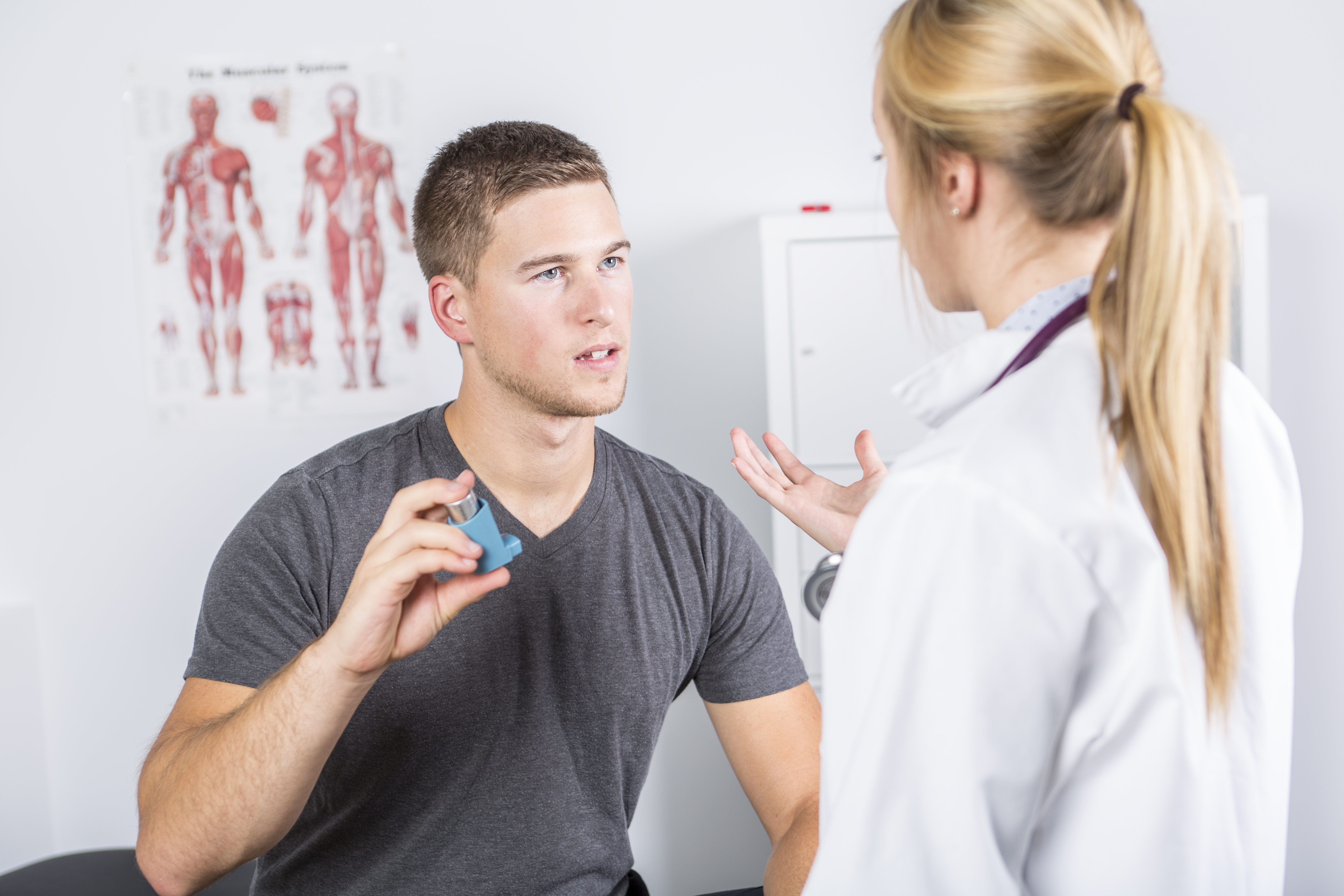
COPD can cause many complications, including:
- Respiratory infections. People with COPD are more likely to catch colds, the flu and pneumonia
- Heart problems
- Lung cancer
- High blood pressure in lung arteries
- Depression
Asthma undiagnosed or untreated aggressively with medicines can lead to an increased risk of lung scarring which is a permanent damage to your lungs and airways, and you cannot breathe properly forever unless with an external aid. This stage of asthma is irreversible i.e. it cannot be re-versed with medications. More than 25 million Americans have asthma.
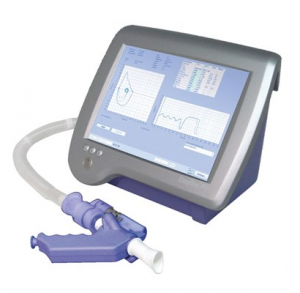
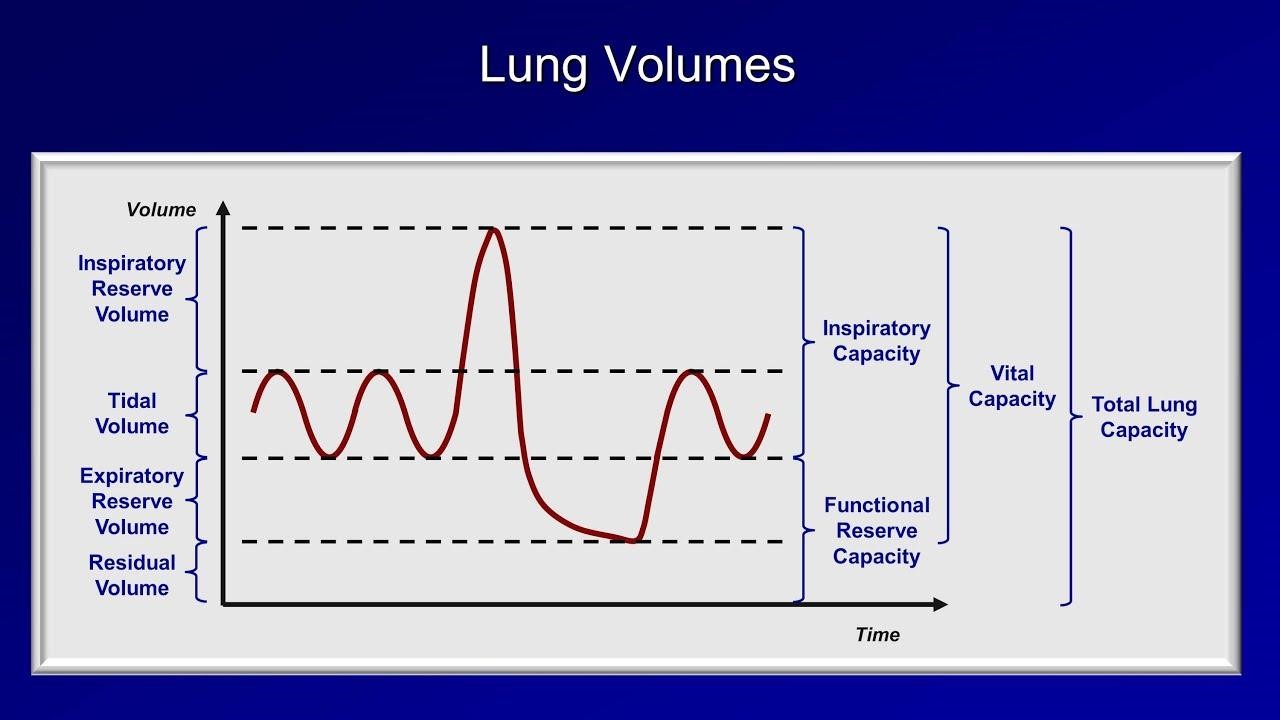
We offer pulmonary function tests or PFTs. This simple test done all at our office is a great tool to check for various respiratory conditions like COPD, asthma, shortness of breath, chronic cough, allergies, smoking and restrictive lung diseases. PFTs are noninvasive tests that show how well the lungs are working. The tests measure lung volume, capacity, rates of flow, and gas exchange.
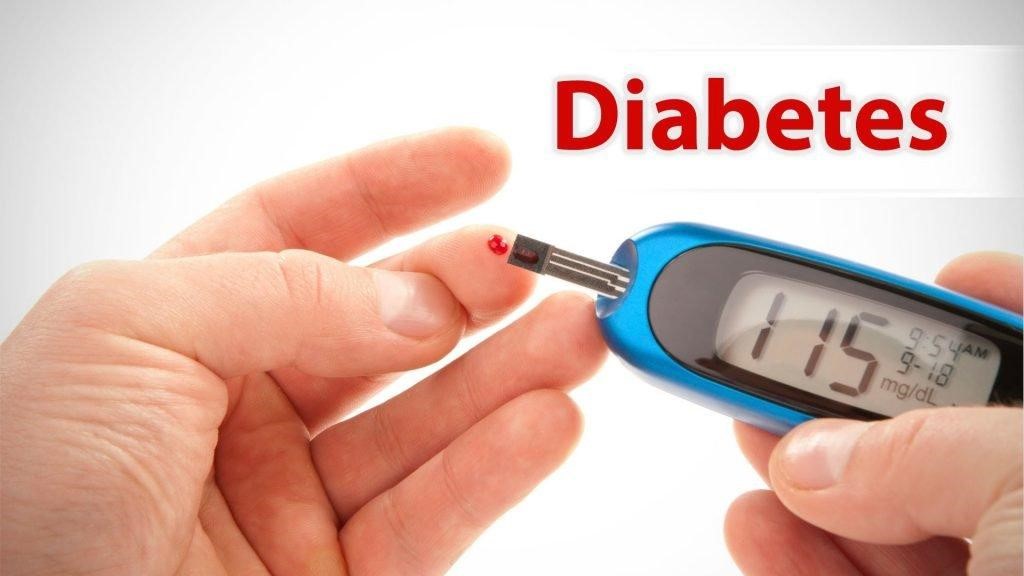
More than 35 million Americans, or more than 10% of the population, had diabetes. If left untreated, diabetes can lead to devastating complications, such as heart disease, nerve damage, blindness, kidney failure and amputations. And the risk of death for adults with diabetes is 50 percent higher than for adults without diabetes.
Common symptoms of diabetes:
- Urinating often
- Feeling very thirsty
- Feeling very hungry—even though you are eating.
- Extreme fatigue
- Blurry vision
- Cuts/bruises that are slow to heal
- Weight loss —even though you are eating more (type 1)
- Tingling, pain, or numbness in the hands/feet (type 2)
We pride ourselves on being the premiere office for Diabetes management.
We could manage :
- Type 1 diabetes (or insulin dependent diabetes)
- Type 2 diabetes
- Diabetes during pregnancy
Our office offers the following tools to meet your goals for your diabetes:
- Random blood Sugar check
- A team of providers that have expert training in diabetes manage-ment.
- Continuous glucose monitoring, CGM. The CGM is a small device that is placed and worn for 10-14 days recording all blood glucoses. This is then downloaded and reviewed to show what your glucose numbers are doing during the whole 10-14 days period worn.
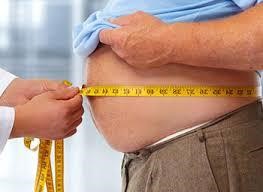
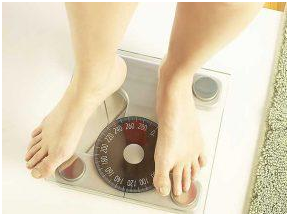
More than 40 % of entire population of USA are obese. People who have obesity, compared to those with a normal or healthy weight, are at increased risk for many serious diseases and health conditions, including the following:
- All-causes of death (mortality)
- High blood pressure(Hypertension)
- High LDL cholesterol, low HDL cholesterol, or high levels of triglycerides (Dyslipidemia)
- Type 2 diabetes
- Coronary heart disease
- Stroke
- Gallbladder disease
- Many types of Cancers
- Osteoarthritis (a breakdown of cartilage and bone within a joint)
- Sleep apnea and breathing problems
- Mental illness such as clinical depression, anxiety, and other mental disorders
- Body pain and difficulty with physical functioning
- Low quality of life
Our providers could search for root causes of weight gain. We can run in office lab work to check thyroid studies and metabolic disorders. Once we identify the cause we can help you achieve your weight loss goal through various options
- Diet plans and/or Referral to dietician/nutritionist
- Medications
- Referral for weight loss surgery
It is now estimated that 26 percent of adults (one out of four) between the ages of 30 and 70 years have sleep apnea.
In adults, the most common cause of obstructive sleep apnea is excess weight and obesity, which is associated with soft tissue of the mouth and throat. During sleep, when throat and tongue muscles are more relaxed, this soft tissue can cause the airway to become blocked.
The signs and symptoms of obstructive and central sleep apneas overlap, sometimes making it difficult to determine which type you have. The common signs and symptoms of obstructive and central sleep apneas include:
- Loud snoring
- Episodes in which you stop breathing during sleep — which would be reported by another person
- Gasping for air during sleep
- Awakening with a dry mouth
- Morning headache
- Difficulty staying asleep (insomnia)
- Excessive daytime sleepiness (hypersomnia)
- Difficulty paying attention while awake
- Uncontrolled High Blood pressure
- Irregular Heart Rhythm / Palpitation
- Increased chance of Motor Vehicle accident
- Depression / Anxiety / Irritability
- Erectile Dysfunction/ Low Libido
- Indigestion/ Heart burn
- Weight Gain or Unable to lose weight
- Memory Problem / Impaired concentration
- Increase in Blood sugar and cholesterol
- Worsening of Heart Failure
- Too much Red Blood Cell counts
- Stroke
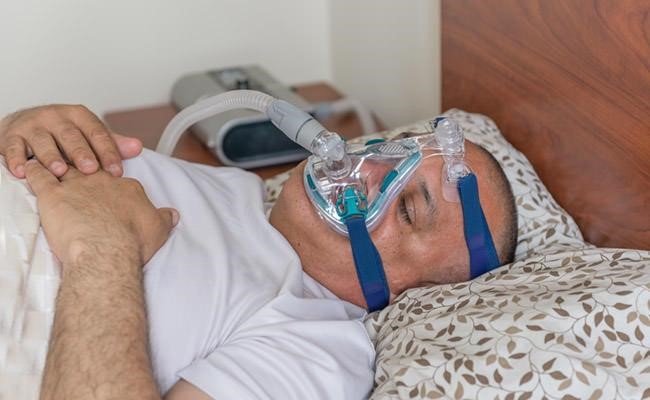
We have the privilege of having Dr. Suresh Prasad who is ABIM board certified in sleep medicine and is the Medical Director of Odessa Sleep Associates. We can discuss in detail at your visit if you are experience disruptions during sleep.
The home sleep apnea testing can be performed with equipment that is taken home, worn throughout the night, and returned for interpretation the next day. If diagnosed we will facility your care to Odessa Sleep associates office and Dr. Suresh Prasad will continue care for sleep apnea or other sleep disorders found.
For more information on our sleep lab, visit www.odessasleep.com
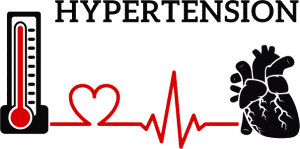
Nearly 1 out of 2 adults in the United States has hypertension (108 million). defined as a systolic blood pressure ≥ 130 mm Hg or a diastolic blood pressure ≥ 80 mm Hg or are taking medication for hypertension. Only about 1 in 4 adults (24%) with hypertension have their condition under control.
Left undetected (or uncontrolled), high blood pressure can lead to:
Heart attack — High blood pressure damages arteries that can become blocked and prevent blood flow to the heart muscle.
Stroke — High blood pres-sure can cause blood vessels in the brain to clog more easily or even burst.
Our providers treat high blood pressure using the latest guidelines. We work with you to maintain a healthy blood pressure. We use diet, education, medications and utilize blood pressure logs to achieve this goal.
We also offer ambulatory blood pressure monitoring to record blood pressures while at home to analyze for patterns or spikes throughout the day. Ambulatory blood pressure monitoring (ABPM) is a technique for assessing a person’s blood pressure. ABPM allows a doctor to assess your blood pressure during your routine daily living, instead of when you are sitting nervously on the doctor’s examination table.
ABPM is most helpful in deciding whether a person actually has hypertension when the blood pressure readings taken in the doctor’s office are highly variable or are otherwise puzzling. In particular, ABPM has been used to assess people with "white coat hypertension" triggered by the stress of a medical appoint-ment

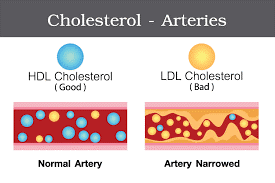
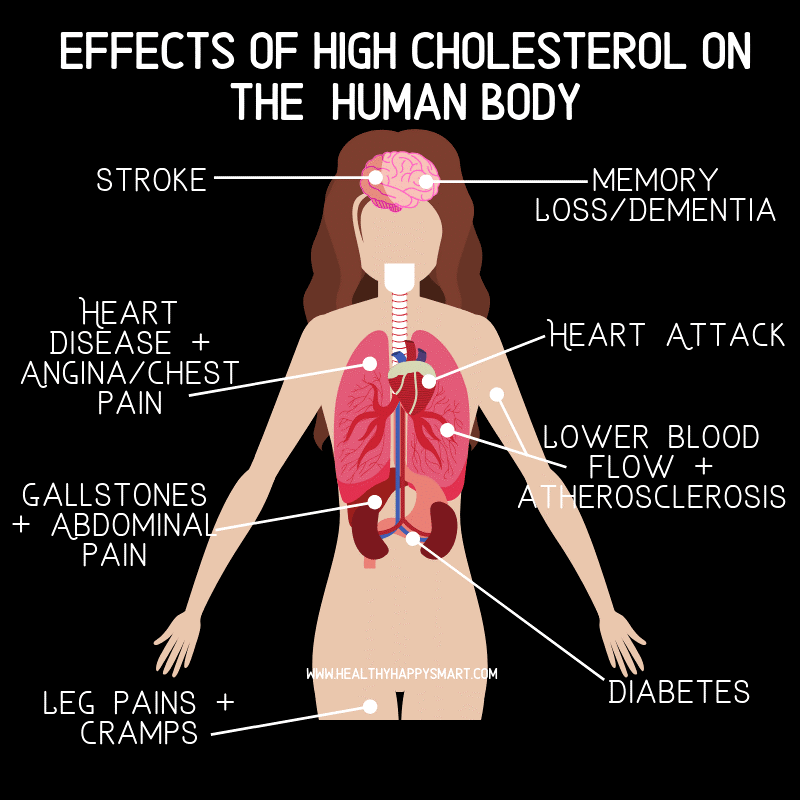

93 million U.S. adults age 20 or older have total cholesterol levels higher than 200 mg/dL. High cholesterol has no symptoms, so many people do not know that their cholesterol is too high. A simple blood test can check cholesterol levels.
Having high blood cholesterol raises the risk for heart disease, the leading cause of death, and for stroke, the fifth leading cause of death
Eating saturated fat, found in animal products, and trans fats, found in some commercially baked cookies and crackers and microwave popcorn, can raise your cholesterol level. Foods that are high in cholesterol, such as red meat and full-fat dairy products, will also increase your cholesterol.
Let us keep help you keep track of all our preventive measures at your annual comprehensive physical examination. During your wellness exam you may receive screening for cholesterol, blood pressure, diabetes, mammogram, pap test, Memory, Depression, osteoporosis, or STDs. We ensure you are up to date on cancer screenings, blood work, urine analysis EKGs, vaccinations and all the items necessary to maintain your health.
Medical Exam and Counseling
Consists of a review of a completed medical history as well as a thorough physical examination, special emphasis is given to cardiovascular abnormalities and cancer screening. Data collected is thoroughly reviewed to answer questions and provide recommendations for healthy living.
In House Laboratory Analysis
No need to take a lab order and go to an outpatient lab or hospital. You can have Comprehensive lab testing including cholesterol profile, blood sugar level, complete blood count, urine test, thyroid stimulating hormone, vitamin D, and other important tests.
Cardiovascular Screening
EKG is taken to assess the heart’s conduction system and function.
Nutrition Coaching
The session might include one-on-one nutrition coaching, a personalized action plan based on your health history, lifestyle, and habits.